
Top Engineering Design Techniques Build with Confidence

Engineering design is the backbone of every successful product, structure, or system. When done well, it ensures safety, efficiency, and durability. When done poorly, it can lead to costly failures and wasted resources. This post explores key engineering design techniques that help professionals build with confidence, delivering reliable and effective solutions.
Engineering design is more than just drawing blueprints or creating models. It involves a systematic approach to solving problems, considering constraints, and optimizing performance. Whether you are designing a bridge, a machine, or a software system, applying proven techniques can make a significant difference.
Understand the Problem Thoroughly
Before starting any design, engineers must clearly understand the problem they are solving. This means gathering detailed requirements, identifying constraints, and recognizing the needs of end users.
Define the purpose of the design clearly.
List all functional requirements and performance goals.
Identify environmental, safety, and regulatory constraints.
Consider the lifecycle of the product or system.
For example, when designing a water filtration system, engineers need to know the water source, contaminants to remove, flow rate, and maintenance conditions. Without this understanding, the design may fail to meet expectations.
Use Conceptual Design to Explore Options
Conceptual design is the phase where engineers brainstorm and sketch multiple ideas. This stage encourages creativity and helps avoid settling on the first solution that comes to mind.
Generate several design concepts.
Evaluate each concept against requirements and constraints.
Use simple sketches or models to visualize ideas.
Select the most promising concepts for further development.
This approach prevents tunnel vision and opens the door to innovative solutions. For instance, in automotive design, engineers might explore different engine layouts or materials before choosing the best option.
Apply Systems Thinking
Engineering projects often involve many interconnected parts. Systems thinking helps designers see the big picture and understand how components interact.
Map out all subsystems and their relationships.
Analyze how changes in one part affect others.
Consider feedback loops and potential failure points.
Design for integration and compatibility.
A practical example is designing an aircraft, where aerodynamics, propulsion, control systems, and safety features must work together seamlessly. Systems thinking ensures the final product functions as a cohesive whole.
Use Computer-Aided Design (CAD) Tools
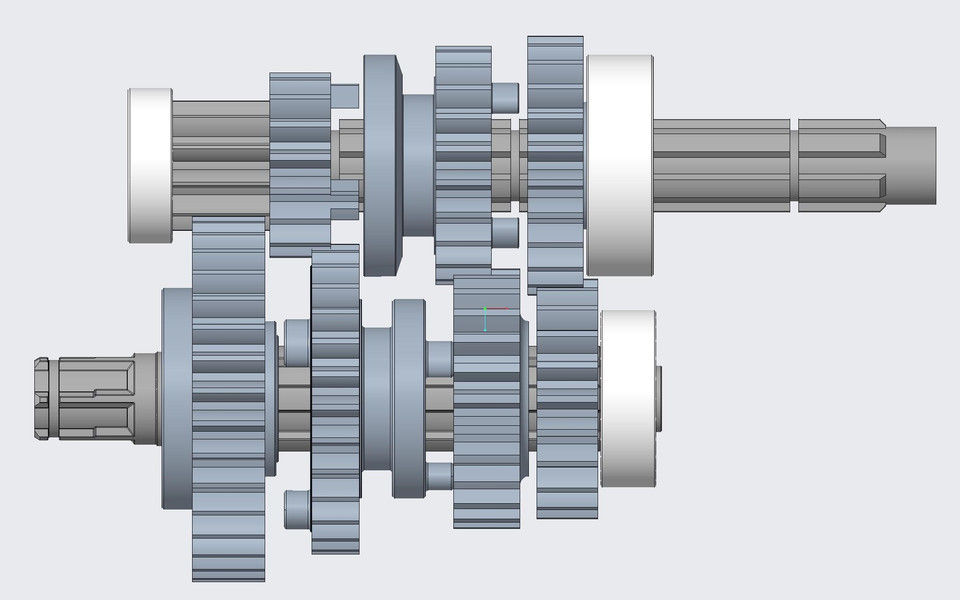
Modern engineering relies heavily on CAD software to create detailed 3D models and simulations. These tools improve accuracy and allow for virtual testing before physical prototypes.
Create precise digital models of components and assemblies.
Perform stress analysis, thermal simulations, and motion studies.
Detect design flaws early to reduce costly errors.
Facilitate collaboration through shared digital files.
For example, civil engineers use CAD to model bridges and simulate load conditions, ensuring the structure can withstand expected forces.
Prototype and Test Early
Building prototypes allows engineers to test their designs in real-world conditions. Early testing reveals issues that simulations might miss and provides valuable feedback.
Develop physical or functional prototypes quickly.
Conduct tests to measure performance, durability, and safety.
Collect data to refine and improve the design.
Use iterative cycles of prototyping and testing.
For example, electronics engineers often create breadboard prototypes to test circuits before finalizing printed circuit boards. This process reduces risks and improves product quality.
Follow Design for Manufacturability (DFM) Principles
Designing with manufacturing in mind saves time and money. DFM ensures that products can be produced efficiently using available processes and materials.
Simplify designs to reduce the number of parts.
Choose standard components when possible.
Design for easy assembly and minimal tooling.
Consider cost-effective materials and processes.
An example is designing a plastic enclosure with snap-fit features instead of screws, reducing assembly time and cost.
Incorporate Safety and Reliability
Safety must be a priority in every engineering design. Reliable designs protect users and reduce maintenance needs.
Identify potential hazards and failure modes.
Use safety factors and redundancy where appropriate.
Select materials and components with proven durability.
Plan for regular inspection and maintenance.
For instance, elevator systems include multiple safety brakes and sensors to prevent accidents, ensuring passenger safety.
Document Design Decisions Clearly
Good documentation supports communication and future improvements. It records the rationale behind choices and provides a reference for manufacturing and maintenance.
Keep detailed records of design iterations and tests.
Use clear drawings, specifications, and reports.
Maintain version control to track changes.
Share documentation with all stakeholders.
This practice helps teams avoid misunderstandings and supports quality control throughout the product lifecycle.
Collaborate Across Disciplines
Engineering design often requires input from various experts. Collaboration brings diverse perspectives and expertise to solve complex problems.
Involve specialists in materials, manufacturing, safety, and user experience.
Use regular meetings and shared platforms for communication.
Encourage open feedback and constructive criticism.
Align goals and expectations among team members.
For example, designing a medical device involves engineers, doctors, regulatory experts, and users working together to create a safe and effective product.
Embrace Continuous Improvement
No design is perfect from the start. Continuous improvement helps engineers refine their work based on feedback and new information.
Collect data from testing, production, and user experience.
Analyze failures and identify root causes.
Update designs to address issues and enhance performance.
Foster a culture of learning and innovation.
This approach leads to better products over time and builds confidence in engineering solutions.
Engineering design is a complex but rewarding process. By understanding the problem, exploring concepts, thinking systemically, using modern tools, testing early, designing for manufacturing, prioritizing safety, documenting clearly, collaborating widely, and improving continuously, engineers can build with confidence.
Applying these techniques helps create products and systems that meet needs, perform reliably, and stand the test of time. Whether you are a seasoned engineer or just starting, integrating these methods into your workflow will strengthen your designs and your professional skills.
Take the next step by reviewing your current projects and identifying which of these techniques you can apply or improve. Building with confidence starts with a solid foundation in design practices.

Comments